
Learn About
A collection of articles about funerals. A helpful resource for anyone planning a funeral, no matter which funeral home you choose.







First Steps in the Event of Death
What to Bring When Meeting with a Funeral Counselor
- Important Information Required About the Deceased
- Social insurance number
- Health care number
- Date and place of birth
- Parents’ name (mother’s maiden name)
- Last address
- If the deceased was married: spouse’s full name, date and place of marriage
- Personal Items for the Deceased
- A recent picture for identification purposes and or a picture to be used for obituary and memorial products (portraits, bookmars, etc.)
- Clothing: pants/skirt or dress, underwear, socks, shirt, jacket, etc. (long sleeves and avoid low necklines.)
If your loved one is at home
- If the death is unexpected or suspicious
Call 911. Emergency services will decide if paramedics, police, or a doctor/nurse must confirm the death. If the cause is unclear, the coroner will be notified, and the body will go to the Montreal Morgue. Once released by the coroner, the funeral home arranges transfer and paperwork. - If the death is expected
Contact the palliative care nurse or on-call doctor. They may confirm the death remotely and issue the medical certificate of death (constat de décès) electronically to the funeral home. Once the certificate is assigned electronically to the funeral home, the body can be transferred. (The body cannot be moved without this document.) - Funeral Arrangements
We will then schedule an appointment with a funeral counselor to plan the funeral.
If your loved one is in a hospital or nursing home
- Contact Us
Call us at (514) 481-5301 (24h service) - Transfer Coordination We will work directly with the hospital or nursing home to transfer your loved one to our funeral home.
- Funeral Arrangements We will then arrange a time for you to meet with one of our funeral counselors to discuss the funeral arrangements.
The Path We All Walk
Losing a loved one takes you off the path of everyday life and onto a painful and unfamiliar journey. After helping so many families, we began to notice certain patterns — seven common steps that every family experiences when coping with the loss of a loved one.
5. Public Mourning
While the people around you feel the need to express their condolences, you and your family will be experiencing an emotional time of mourning. This is how something as deeply personal as grief becomes a shared experience. You will be reflecting on the memories of your loved one, and others will want to be near you — to offer comfort, listen, and remember together.
6. Final Goodbye
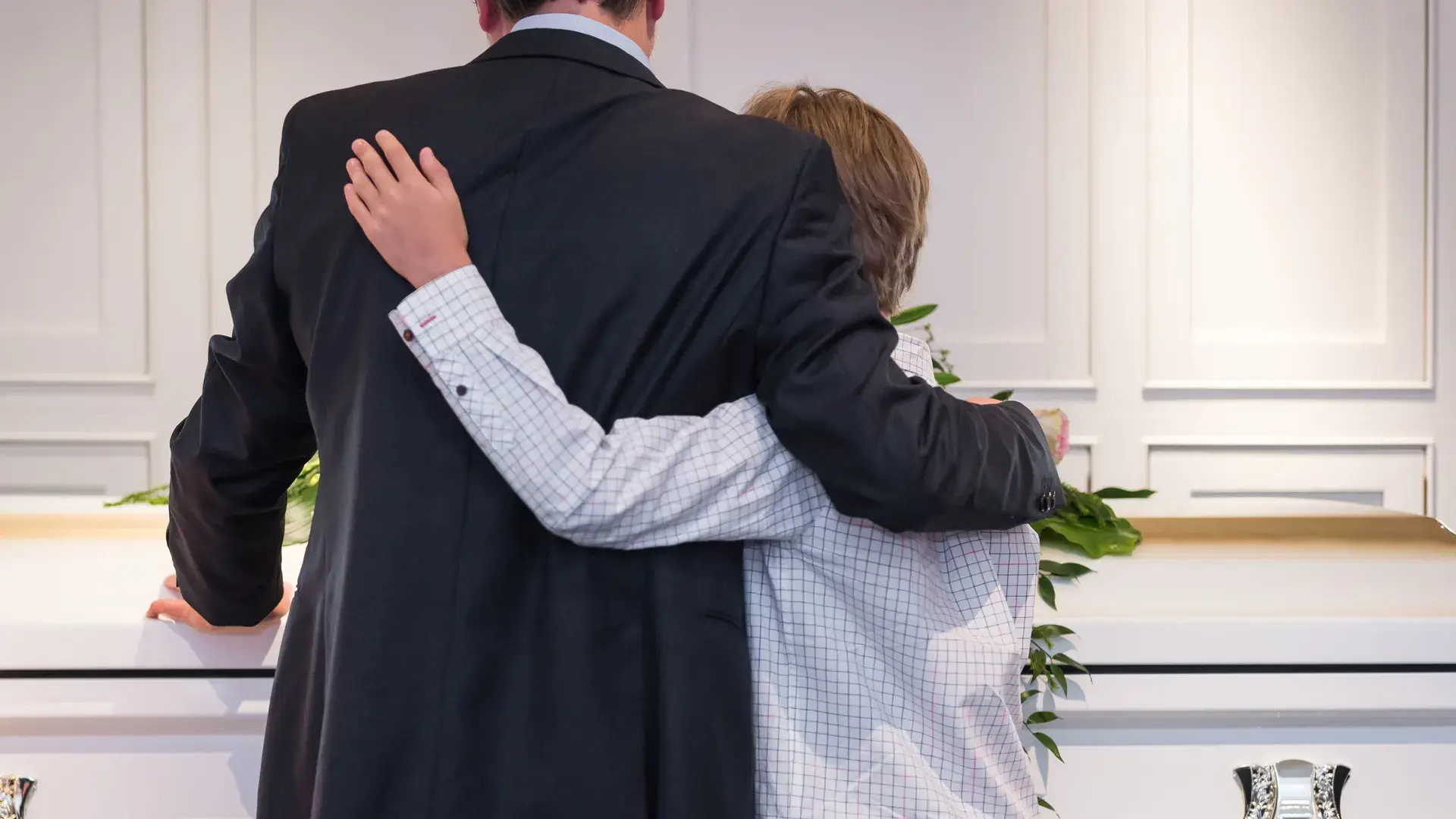
In the days that follow, there will come a moment to say your final goodbye. This may take place during the lowering of a casket or the burial of an urn.
The way you and your family move through the earlier steps — sharing condolences, mourning publicly, and reflecting together — shapes how this final farewell is experienced. Each moment helps bring closure and honors the life of your loved one.
7. Private Grief
The final step is Private Grief. Anyone who has lost a loved one knows that grief is real and deeply personal. It can be triggered by reminders of your loved one — a favorite chair, a cherished book, or even a familiar scent.
Often, the most unexpected pain comes months later, when expressions of sympathy continue. You may feel ready to return to the rhythms of everyday life, but these well-meaning gestures can bring memories and emotions to the surface again.
While grief cannot be avoided, there are ways to care for yourself and make choices that help ease the pain while supporting your family and friends through this journey.
1. Private Shock
Many people experience a sense of physical shock when they first hear the news. They may feel short of breath, their body may ache, and tears may begin to flow. When the initial pain and tears subside, an overwhelming numbness often follows.
2. Word Spreads
Next, the news begins to spread. One or two family members usually start by calling the closest relatives, who then reach out to others. The calls continue until everyone has been informed.
3. Family Gathers
Inevitably, the family comes together to support one another and to make important decisions — such as who will visit the funeral home to make arrangements. Decision-making can be especially difficult during this time.
4. Condolences from Friends
Even as you sit at the funeral home making arrangements, the news continues to spread. While your family may already know, the wider circle of people around you — friends, coworkers, and neighbours — is beginning to learn of your loss.
As each person hears the news, they too may feel a moment of shock and sadness, and they, in turn, share it with others. In their own way, each person steps onto the path with you and your family, wanting to express their sympathy and offer support.
There are two important choices two consider during this time:
1. Would you like to decide when and where people express their sympathy?
2. Do you want that memory to focus on the moment of their passing, or on the life they lived and the joy they brought to others?
Seeing Is Believing
Most people have heard the old saying “seeing is believing”… but many have also lived through experiences that gave them a deep and emotional understanding of what those simple words truly mean.
The Role of Viewing in Healing
One common question we hear is whether there should be a viewing after the death of a loved one. Some families worry that it will be too painful. In truth, viewing the body often provides deep comfort and emotional relief.
Seeing the person one last time confirms the reality of the loss. It helps mourners move from denial toward acceptance—an essential step in the grieving process. Grief cannot be avoided, but it can be worked through in healthy ways.
Witnessing the final farewell—whether it’s the lowering of a casket, the placement of an urn, or the scattering of ashes—also plays a vital role in healing. These moments bring closure. They mark the beginning of peace.
A Final Gift To Your Loved Ones
When planning ahead, some people request no viewing to protect their family from pain.
While well-intentioned, this can make it harder for loved ones to find closure.
Allowing your body to be present at your service is one final, meaningful gift to those you love. Though your spirit has moved on, your earthly presence helps family and friends accept the loss and begin their journey toward emotional healing.
Remember: when someone you love passes away, you can’t avoid grief—but you can move through it.
You don’t have to face grief alone.
Let us walk beside you as you honour your loved one’s life and begin the healing process.
Seeing is believing. And believing leads to emotional healing.
Have you ever needed to see something to truly believe it?
Imagine a parent who receives a call from their child’s school. The teacher says the child was hurt on the playground—but reassures them that everything is okay. Still, the parent spends the rest of the day counting the minutes until they can see their child with their own eyes. Because seeing is believing.
Think back to September 11th, 2001. When the planes struck the Twin Towers, people across the country turned on their televisions almost immediately. Within hours, more than 90% of Americans had seen the footage. They watched it repeatedly, trying to comprehend what had happened, trying to process the enormity of the loss. Because seeing is believing.
Why do we need to see?
The need to see is a deeply human response to trauma and loss. When we experience something painful, seeing the event—or its aftermath—makes it real.
We may understand what has happened in our minds, but our hearts don’t begin to accept it until we see it.
Psychologists tell us that traumatic events create chaos in our lives, and grief is the emotional response to that chaos.
Our need to see helps us bring order back into that chaos. It helps us begin to accept what has happened and start the healing process.
Seeing and Grief
Seeing the outcome of a traumatic event is essential for acceptance. Without seeing, it’s incredibly difficult to reach acceptance or to begin the emotional healing process.
Consider the difference between the confirmed death of a loved one and the disappearance of a loved one.
When death occurs, we can begin the journey through grief toward acceptance and healing. But when someone simply disappears, there’s no closure—just unanswered questions. The grief remains unresolved.
7 Questions You Should Ask Yourself
When a loved one dies, families often face many questions about how to honour their wishes while supporting those left behind. Below are some of the most common questions we hear, along with guidance to help you through this difficult time.
5. Can I afford the funeral?
We understand that every family has a budget, and costs can feel overwhelming. At Kane Fetterly, we are committed to helping you create a meaningful and respectful farewell, no matter your budget.
Whether you have $2,500 or $10,000, we guide families in selecting the services and options that matter most. You’ll never feel pressured to choose anything unnecessary — our focus is on providing care, respect, and support.
6. Should I consider a reception for family and friends?
After a loss, families naturally gather to share food, stories, and comfort. Often, the kitchen becomes the heart of these moments at home.
At Kane Fetterly, we have recreated this warm, inviting atmosphere in our facilities. Our kitchen and reception spaces allow families to bring or prepare food, creating a relaxed environment where loved ones can connect, remember, and support one another. Receptions can be held even if there is no formal service, providing a meaningful way for everyone to come together.
7. Will the funeral home assist after the funeral?
After a funeral, there are often many administrative tasks to complete. Managing these details can feel overwhelming, especially while grieving.
Our aftercare counselor is here to guide families through these steps, offering support, organization, and referrals to trusted professionals for estate or legal matters. This guidance ensures you can focus on healing while having peace of mind that necessary tasks are being handled.
We are here to support you
At Kane Fetterly, our goal is to help families honour their loved ones, support one another, and begin the healing process. Every decision is guided by compassion, respect, and the unique needs of your family.
We are here to answer your questions, guide you through every step, and create a farewell that truly reflects the life you are celebrating.
1. How can I honour their wishes and still take care of those who are left behind?
It’s quite common for people to tell their loved ones that they don’t want the family to do anything special when they pass away. They’ll say things like, “I don’t want a funeral” or “just cremate me.” They may believe this will make things easier for their family.
In reality, those who are grieving need a chance to come together — to support one another, share memories, and express their love. A gathering doesn’t have to be a traditional funeral. It could be a small reception, a memorial, or a celebration of life held in a meaningful place.
Providing this space helps family and friends begin the healing process while still respecting your loved one’s wishes.
2. Can I have a funeral at a meaningful location?
Absolutely. A farewell should feel personal and comforting. This could be a funeral home, a place of worship, a family home, or another location that held significance for your loved one.
The setting should support the emotional, spiritual, and practical needs of your family and guests. Choosing a location that feels right can make the service more meaningful and provide a sense of peace during a difficult time.
3. How can I help family and friends cope with their grief?
Grief is a natural response to loss, and it can feel overwhelming. One of the most helpful ways to support family and friends is to focus on how your loved one lived rather than how they died.
When people gather to share stories, laugh, cry, and remember special moments, mourning becomes a shared experience. A memorial service, visitation, or gathering provides an opportunity for connection and support, helping everyone begin to process their loss together.
4. Can I create a personalized farewell?
Every life is unique, and every farewell should reflect that. Our funeral counsellors work closely with families to create a service that truly honors the individuality of the person who has passed.
Whether traditional or contemporary, ceremonies can include personal touches such as video tributes, live streaming, special music, or meaningful keepsakes. Receptions, family gatherings, and unique ceremonial elements are all ways to make the farewell personal and memorable.
As long as it is legal, ethical, and moral, we will help you design a service that truly reflects the life you are celebrating.
The Cost of a Funeral
The cost of a funeral comes down to the choices you and your family make when planning the funeral.
The total cost of a funeral generally includes three main elements:
1. Services
- Professional and administrative care – Consultations, coordination of arrangements, completion of necessary documents, coordination with consulates and airlines for repatriations, and assistance with government paperwork.
- Transfers – Transportation of your loved one from hospitals, homes, nursing facilities, palliative care centers, or airports.
- Preparation and care of the deceased – Washing, dressing, hairdressing, cosmetic and restorative services, embalming, and cold storage.
- Facilities – Comfortable spaces for visitations, gatherings, services, and receptions.
- Personnel – The dedicated support of funeral directors, counselors, pallbearers, lab technicians, and transport staff.
- Vehicles – Use of professional service vehicles, hearses, sedans, and limousines.
- Audio/Visual services – Music, video tributes, and live streaming, Zoom services, or recording for those unable to attend in person.
2. Goods
- Casket for burial
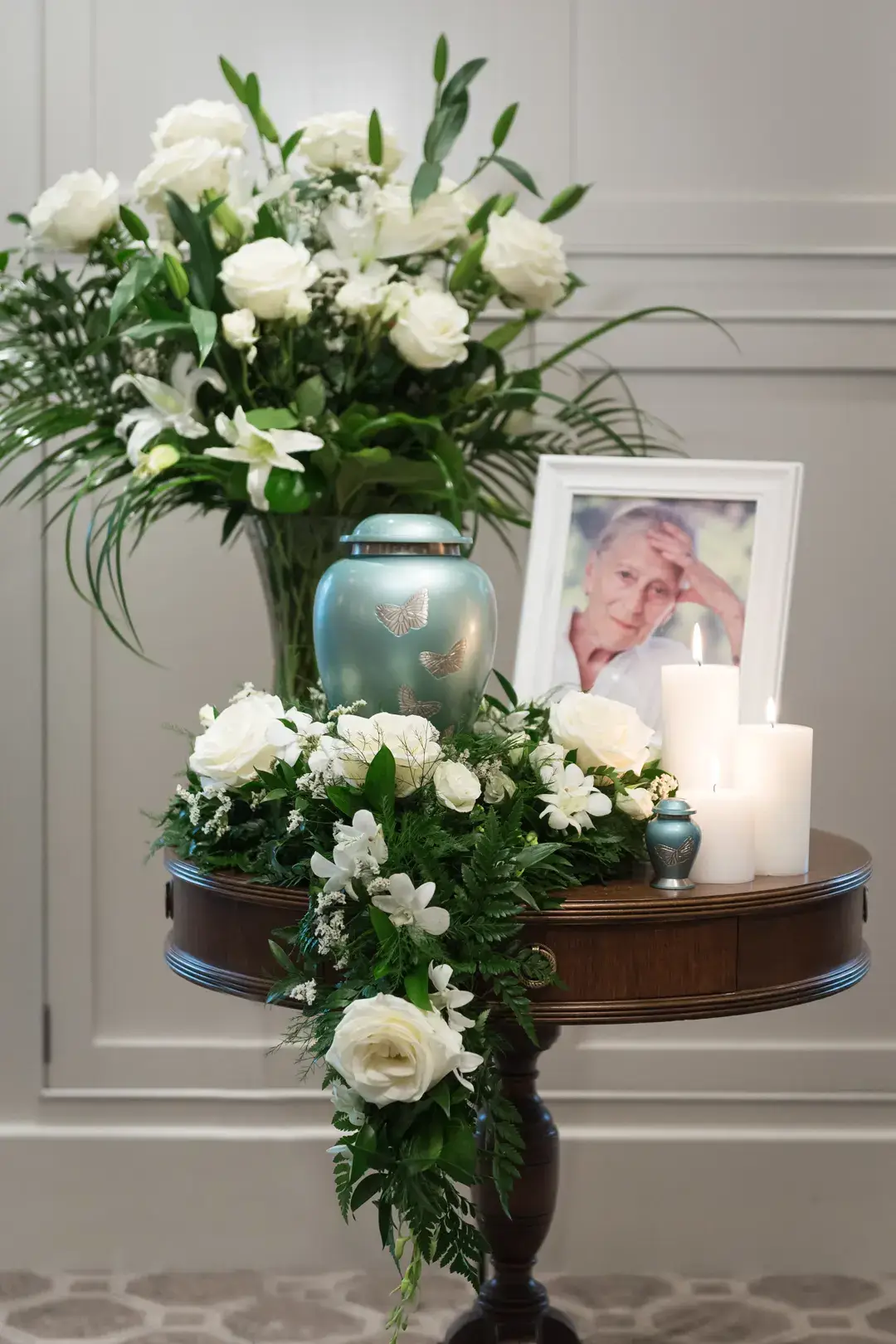
- Rental casket or cremation container, urn and keepsakes for cremation
- Commemorative items – Portraits, candles, memorial jewelry, bookmarks and other cards, service program booklets.
3. Third-Party Expenses
- Newspaper obituaries
- Clergy or celebrant honorarium
- Place of worship or venue fees
- Floral tributes
- Catering
- Cemetery expenses – including the purchase of a grave, niche, or tomb, and monuments.
- Cremation or burial fees
Every family’s needs are different. We’re here to guide you through each option with transparency and care, ensuring the arrangements reflect your wishes and budget.
Although the total funeral cost is important, we believe it is also important to consider the value you receive for the money you spend.
Every funeral is unique, reflecting the life, values, and wishes of the person being remembered.
At Kane & Fetterly, we guide families in planning a meaningful farewell that fits their budget.
Some families may choose a private, intimate funeral that costs only a few thousand dollars, while others prefer a larger, more personalized ceremony, which can increase the overall cost.
In many ways, planning a funeral is similar to planning a wedding. Some couples opt for a simple ceremony with just a few guests, while others celebrate with family and friends in a beautiful setting with a larger reception.
Just as with weddings, the choices you make for a funeral — size, location, and personal touches — will affect the total cost.
Options with Cremation
Cremation has been a part of human tradition for thousands of years. While some cultures primarily practice cremation, others prefer earth burial.
Here are three of the many ways we can help you say goodbye:
1. Simple Cremation and Private Goodbye
For families who choose to forego both a gathering and a formal ceremony, this option allows immediate family members a brief, private moment to say goodbye before the cremation.
2. Ceremony only
3. Gathering or Visitation and Ceremony
Options with Cremation
Cremation is simply an alternative to burial—it does not limit the ways you can honour the life of your loved one. A funeral or memorial service provides an opportunity to celebrate their life and support healing for those who remain. Services can be as simple or as elaborate as desired. At Kane Fetterly, we offer a range of cremation services to suit your needs.
Funeral Arrangements
You might be wondering… how do I make funeral arrangements? At Kane Fetterly, we do everything we can to make the arrangement process as easy as possible.
1. Participation
The first critical element is the participation of as many family members as possible. In general, you should try to have at least three or four participants involved so that the family can reach a consensus on the best way to honour the life of their loved one. Different family members always have different points of view, and it’s best to work out any issues as a group.
2. Bring their stories
The second critical element is to bring with you some of your favourite stories about your loved one. You won’t have to prepare anything; these will be stories that quickly come to mind when you think of your loved one. The stories you have can help to create a loving farewell that reflects a life lived.
3. Be creative
4. Involve every generation
5. Lean on us
The fifth element of a successful arrangement meeting is that the family becomes comfortable leaning on us. We will design the memorial event together, but you can be at ease knowing that we will handle all of the details for you. Remember… we walk this path with families every day. You can lean on us…. we are here to guide you through.
5 critical elements when making funeral arrangements
4 Things You Can Do to Help a Grieving Child
As I read the plethora of resources relating to children and grief, one aspect becomes quite clear: it’s imperative that children have a place, space and way to grieve.
4 things you can do to help a child griever
1. Honesty
In an effort to protect a child-griever from adversity or sadness, parents often don’t share the whole story or even the true story of the death. I strongly advocate using the correct words to describe the circumstances of the death rather than euphemisms. Remember, however, that you don’t have to go into TOO much detail; the goal is to provide truthful information, not to shock or scare.
2. Empathy
Parents are the role models; feelings are not right or wrong, they just are. Share your feelings while helping your child-griever move into a discussion about what they can do with their own emotions.
3. Listening
Talk less, listen more. Rather than supplying a lot of information at once, let child grievers lead the conversation by asking questions. If you don’t have an answer to a question, be honest and say, “That is a good question I don’t know; I’ll have to ask a professional that” then MAKE SURE you follow up.
4. Perception
Written by Corrie Sirota
Grief, Loss and Bereavement Specialist – Counseling & Psychotherapy
As a clinical social worker specializing in grief & loss and the Clinical Director of Camp Erin® Montreal (a free, weekend-long camp for bereaved children aged 6-17), I interact with bereaved families who struggle with how to best honour their loved ones. This struggle becomes even more confusing when raised in a culture or religion that dictates a ‘blueprint’ for grieving that can include funerals and cemeteries, which are regarded as no place for children.
While rites and rituals are often extremely helpful to mourners, these rituals often do not specifically include children, who, in turn, become ‘forgotten grievers.’ In an effort to protect children from facing sadness or adversity, they often get pushed aside and dismissed. Though intended to inoculate the child-griever from pain, the tendency is highly unhealthy as it encourages hiding one’s feelings rather than expressing them and ultimately serves only to usurp a child’s right to mourn.
Have you had the conversation?
The Conversation
Video Series
Starting the conversation may feel awkward, but it becomes easier once you take the first step. By talking about what matters most, you help demystify a subject that many prefer to avoid. Your family will appreciate the openness, and together you can make plans that reflect your wishes with dignity and clarity.